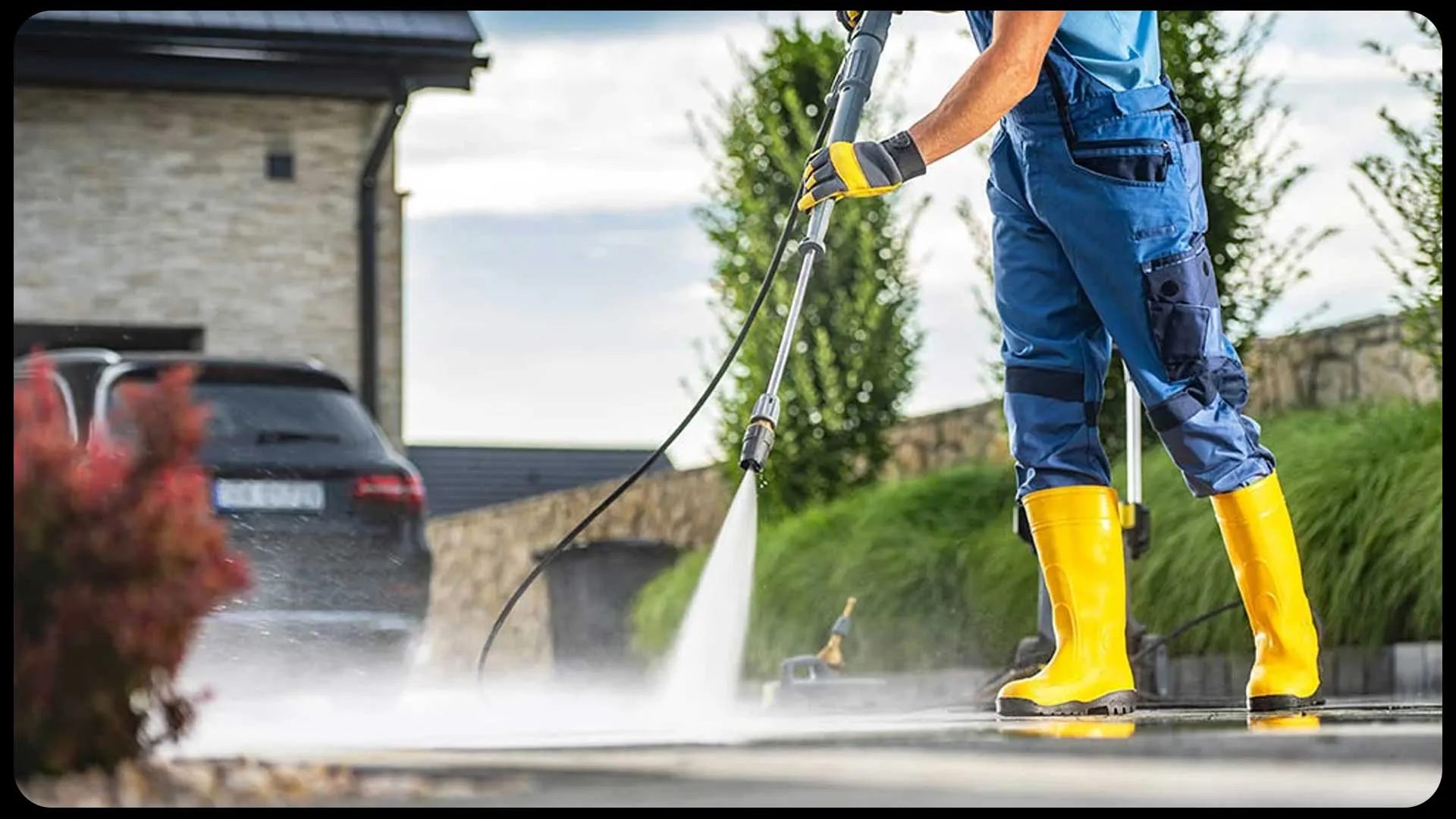
Soft Wash vs. Pressure Wash: Which One Saves Your Home (And Which Ruins It)?

You rented a pressure washer from the hardware store. You aimed it at the green stuff creeping up your siding. Two hours later, your house looks cleaner. Sort of. Except… now the paint is flaking, the shingles are balding, and mold creeps back in just a month later.

You’re not alone. In fact, 68% of exterior damage claims come from improper cleaning methods. Pressure washing may seem like the quick fix, but it can quietly reveal thousands of dollars in hidden repairs.

What Is a Soft Wash, Anyway?

Think of a soft wash as a gentle spa day for your home. It utilizes low-pressure water and eco-friendly cleaners to eliminate mold, algae, and grime at their root. No blasting. No ripping paint off. Just a biodegradable house wash that goes deeper than brute force ever could.

Imagine brushing your teeth with a chainsaw. That’s pressure washing the wrong surface.

When to Go Soft—and When You Can Crank Up the PSI

Here’s the truth: Both methods have their place.

  • Soft Wash: Roofs, vinyl siding, painted wood, historic properties. Basically, anything that can bruise.
  • Pressure Wash: Cleaning concrete surfaces, brick (with caution), and decks sealed to withstand the treatment.

Pro tip? “If it grows, go soft. If it stains, bring the pressure.”

We once had a client softwash a concrete patio with years of rust stains. The result? Still stained. Meanwhile, a targeted pressure wash brought it back to nearly new in minutes.

Cost Breakdown: Penny Saved or Paint Destroyed?

Pressure washing may seem cheaper upfront, $0.15–$0.75 per square foot. But if you strip your roof granules or flood your siding seams, you’re shelling out $3K+ in repairs easily. Soft washing costs a little more now, but saves a whole lot in the long run.

It’s like skipping an oil change to save $40. Sure, you win today until your engine dies.

Soft Washing Protects More Than Just Paint

Mold, mildew, and lichen don’t just look ugly. They erode shingles, creep into windowsills, and stain your fence or roof. A quality roof wash, using the soft wash method, eliminates those threats at their root, not just on the surface.

That’s why homeowners often book a full exterior cleaning package: siding, roof, fence wash, and window washing, all in one soft, controlled operation.

The DIY Dangers You Don’t See Coming

Let’s talk about the most common mistakes:

  • Spraying upward into shingles (forces water into your attic)
  • Using the wrong PSI on vinyl (warps or cracks it)
  • Ignoring weather conditions (wind + water = soaked interior)

We once had a homeowner ask why his siding looked wavy. It turned out that his buddy had pressure-washed it with a 3,000 PSI beast meant for commercial building washes. Ouch.

Think Bigger Than Just Your Home

Soft washing isn’t just for houses. It’s used in apartment washing, condo washing, post-construction washing, and delicate exterior restoration jobs where pressure would do more harm than good.

Commercial clients, especially in historic districts, often mandate soft washing to protect antique brick and custom finishes. It’s clean, it’s safe, and it preserves the neighborhood’s integrity.

Final Thoughts: It’s Not Just About Clean, It’s About Longevity

Soft washing isn’t about laziness or low effort. It’s a deliberate, measured approach that values the integrity of your home over quick visual wins. Sure, pressure washing can feel satisfying at the moment, but if it means replacing your shingles two years early, is it worth it?

Our recommendation? Let professionals assess your surfaces. Book a free damage inspection with our soft wash experts, and get peace of mind knowing your home’s not just clean, it’s safe.
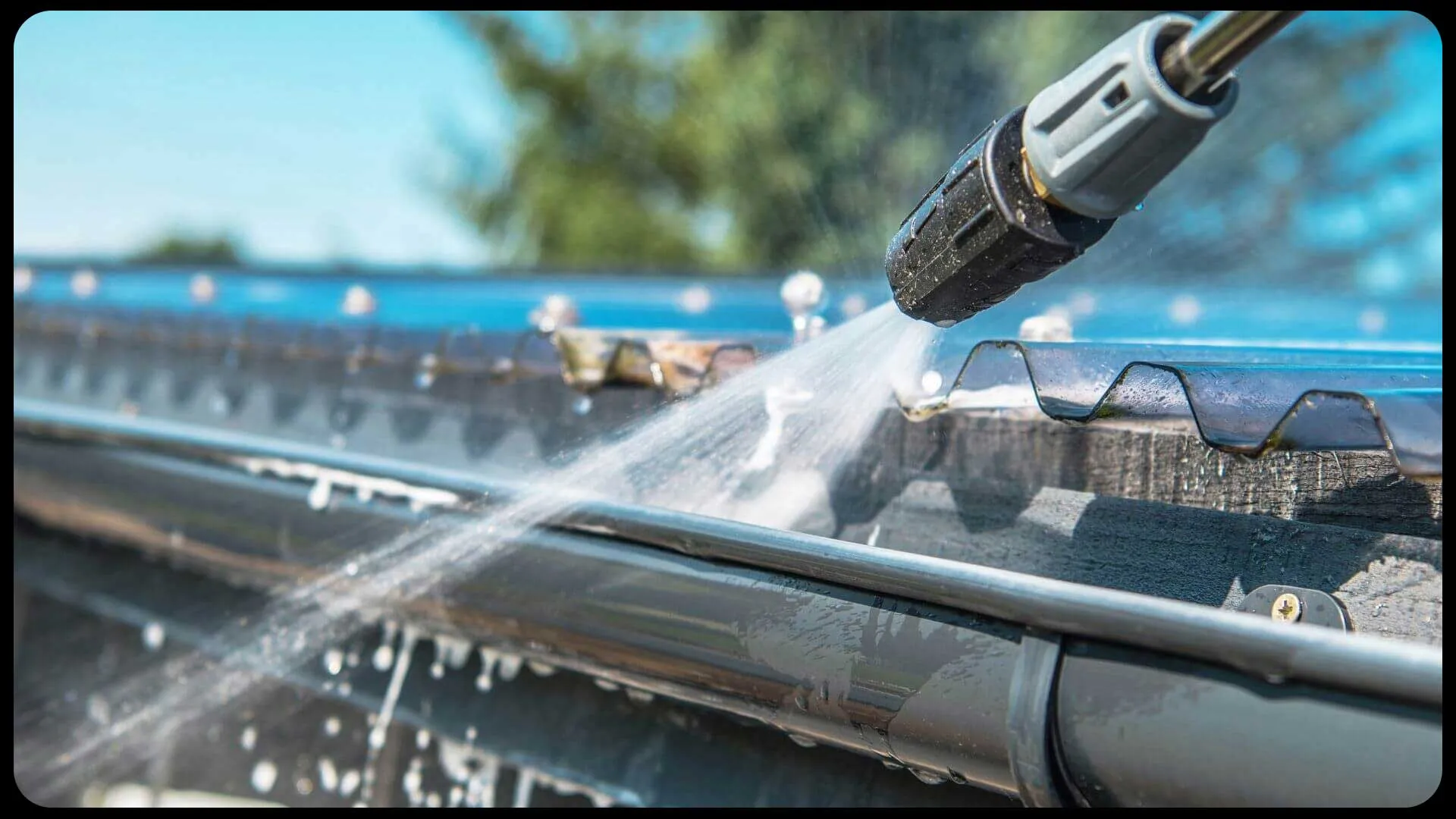
The Hidden Dangers of Dirty Gutters: How Neglect Can Destroy Your Home

Chris bought a beautiful 1940s craftsman in a leafy suburb. He figured gutter guards meant set-it-and-forget-it. But two years in, his basement flooded. Mold took over the drywall. Eventually, his foundation cracked. The culprit? Overflowing gutters. Price tag? $14,000.

If you’ve ever shrugged at your overflowing downspout during a storm, you’re not alone. But here’s the thing: that casual shrug could cost you five figures.

What Dirty Gutters Really Do

Gutters have one job: move water away from your home. When they clog, they fail. And when they fail, damage snowballs:

  • Roof leaks from water backing up under the shingles
  • Foundation cracks from pooling at the base
  • Mold growth in the attic and basement corners
  • Pest infestations (hello, mosquito city!)
  • Ice dams in winter that pry up your roofline

According to FEMA, 72% of basement floods start with clogged gutters. Your home’s “crown molding” may be the start of its downfall.

Why Gutter Guards Aren’t Enough

We get it. Gutter guards sound like magic. But they still need maintenance. Pine needles, bird nests, and asphalt shingle granules sneak past.

Look up next time it rains. If water’s spilling over the sides or backing up under the shingles, your guards aren’t guarding much.

A Professional gutter cleaning includes not just scooping gunk but checking seals, re-securing brackets, and flushing out downspouts. That’s something guards can’t do.

A Quick Walkthrough: What Pros Actually Do

Here’s what a true professional gutter wash looks like:

  1. Inspection: We check the slope, leaks, and attachment points.
  2. Debris Removal: Hand-scooped, not blown around like confetti.
  3. Flush Test: Hoses test real-world water flow.
  4. Downspout Cleaning: Snaked if necessary.

Bonus: A pro eye might spot a cracked fascia board or loose shingle before it becomes a bigger (and pricier) problem.

Why It Matters More in Rentals, Apartments, and Condos

If you own or manage apartment complexes or condos, gutter neglect becomes exponential. One clogged line can backflow onto balconies or down shared walls.

We’ve seen tenants sue over water damage. We’ve seen HOA fines pile up. It’s cheaper to schedule apartment gutter maintenance than to deal with soggy lawsuits.

DIY vs. Professional: Let’s Be Honest

Climbing ladders is risky. Every year, 500,000 ladder-related injuries send people to the ER.

Even if you’re steady on your feet, you might not notice:

  • Improper pitch
  • Hidden rust spots
  • Minor separations that leak inside the walls

You don’t need to break your neck or your bank. Let someone trained, insured, and experienced take the fall risk out of your weekend.

When Should You Clean?

We recommend checking at least twice a year: after the fall leaves have dropped and after the spring blooms have appeared.

Live under a canopy of trees? Add a third round during the summer to stay ahead.

Bonus tip: Ask about gutter guard installation that includes a complimentary seasonal cleaning. It’s a win-win that ensures coverage and maintenance in one go.

Final Thoughts: Your Gutters Are a Lifeline

They might not be glamorous, but they’re critical. Gutters are the veins of your home’s exterior. Clog them, and everything backs up sometimes irreversibly.

Whether you’re a homeowner or property manager, skipping gutter cleaning isn’t a cost-effective solution. It’s slowly burning it.

Don’t wait for the drip-drip of doom. Get your system inspected, flushed, and fortified.

Gas Station Loading Dock Cleaning: How to Avoid Slip Lawsuits and Fines


It always starts the same way: one employee slips on a greasy loading dock, while another customer trips on a stained fuel island. One inspector sees drainage pooling near the dumpster pad.

And then?

One fine. One lawsuit. One preventable disaster.

We once consulted for a gas station chain that paid $250,000 after a night shift worker fell on a slick spot by the dumpster. There were no cleaning logs. No warnings. Just months of buildup from ignored maintenance.

The Slippery Truth About Neglected Surfaces

Let’s be blunt: You can’t run a clean business if your surfaces are filthy. That’s not just about reputation. It’s about liability.

  • Loading docks accumulate grease, pallet grit, and oil drips
  • Fuel islands are magnets for spills and gum
  • Dumpster pads? Biological warfare, if left uncleaned

Neglect these areas, and you’re asking for trouble. According to the CDC, 34% of gas station injuries come from slips and falls. Not fender-benders. Not robberies. Slips.

What Clean Actually Looks Like

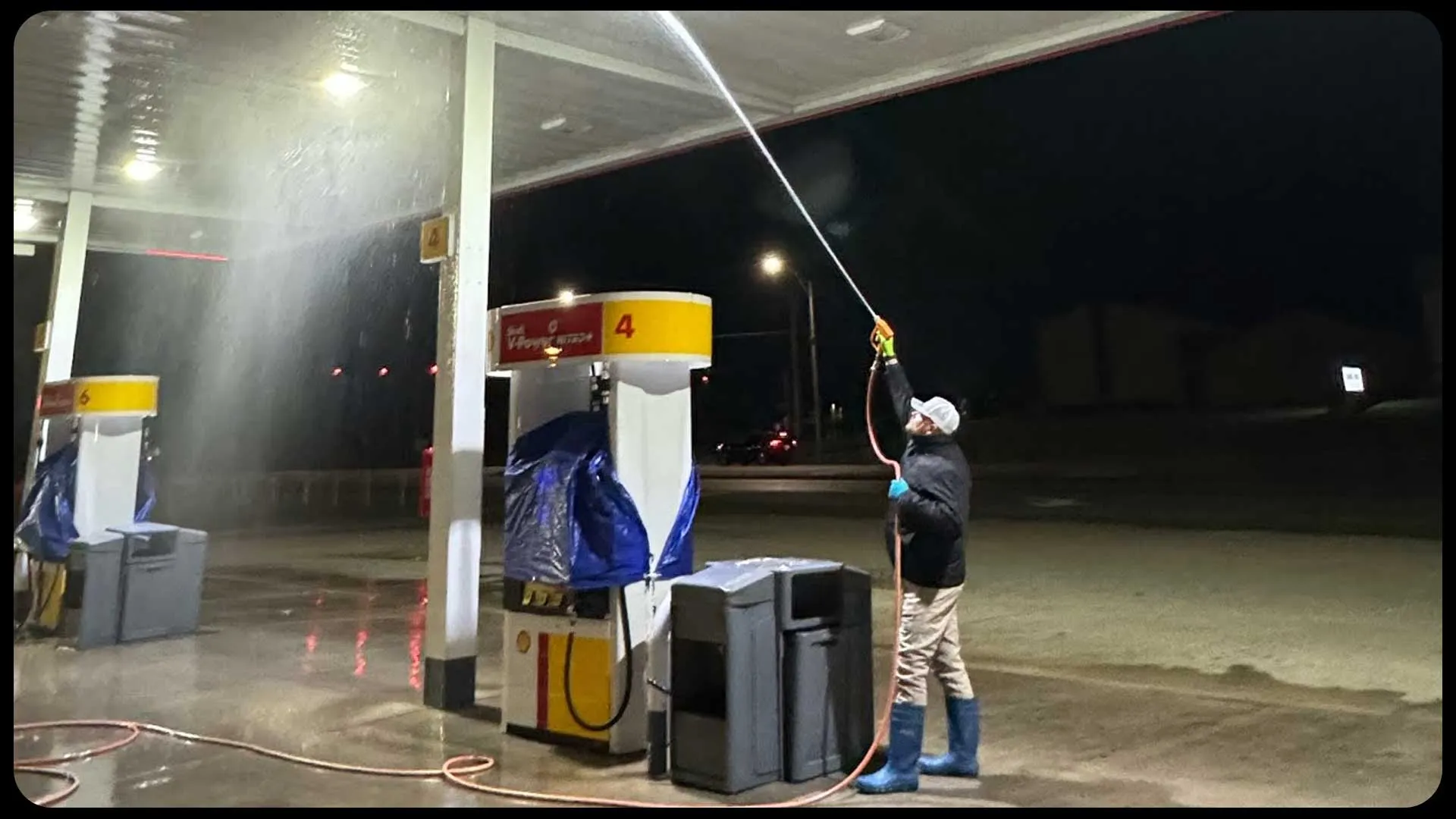
It’s not enough to hose things down and call it good. A proper gas station surface cleaning includes:

  • Enzyme-based degreasers
  • Pressure washing (hot water preferred)
  • Scheduled night shifts to avoid business disruption

For loading dock surface cleaning, you’ll want to add:

  • Grit removal
  • Drainage clearing
  • Non-slip coatings on high-traffic zones

Dumpster pad surface cleaning? That should include anti-bacterial agents and water containment to avoid runoff fines.

Compliance: The Silent Killer (of Profits)

Ever heard of OSHA Rule 1910.22? It states that all walking-working surfaces must be clean, dry, and free from hazards.

But OSHA doesn’t just want things “mopped.” They want documentation. Here’s what they actually check:

  1. Cleaning schedules (logbook entries)
  2. Evidence of slip-resistant surfaces
  3. Drainage systems are in working order

Fail any of these, and you could be fined up to $14,502 per violation. That’s per surface, per day.

Cleaner Stations, Bigger Profits

This part surprises most owners: Customer care. According to NACS, a clean fuel station sees 18% higher fuel sales. Why? Because nobody wants to pump gas where the ground looks like a biohazard.

We worked with a regional chain that started monthly cleanings. In six months:

  • Slip claims dropped 89%
  • Fuel sales increased
  • Customer reviews specifically mentioned the clean property

Cleanliness is a competitive advantage.

DIY Is Not the Move Here

Your staff isn’t equipped. You need professionals with:

  • Commercial-grade hot water equipment
  • Oil-eating bio treatments
  • Night crew operations

Hiring pros means less disruption and total documentation.

Oh, and insurance coverage. If a contractor messes up? They’re covered. Your teenager with a mop? Not so much.

Final Call: Don’t Wait for the Lawsuit

You’re running a business, not a Slip ‘n Slide.

Think long-term: Prevent accidents. Impress inspectors. Attract customers.

Start with a site assessment. Let us inspect your lot, loading dock, fuel island, and dumpster pad and create a customized schedule that keeps you clean and compliant.

Download our free OSHA compliance checklist today, or let us take the pressure off for you.